
At some point, almost every homeowner looks around and thinks, “Maybe it’s time for a change.” Homes are meant to grow with you, not feel like they’re working against you. Over time, small annoyances add up, and bigger problems start to surface. The trick isn’t just knowing how to renovate, but knowing when it’s time to start thinking about it.
Sometimes the warning signs are obvious, like peeling paint or cracked floors. Other times, it’s more of a feeling that your home no longer fits your lifestyle or comfort needs. Conversations with a trusted general contractor often begin with a simple question: “Does this seem normal?” If you’ve ever wondered that about your own home, the situations below might feel very familiar.
Renovation is rarely about trends alone. It’s about comfort, safety, functionality, and emotional connection to the space you live in every day. When a home starts to feel like a burden instead of a refuge, that’s when many people begin to consider meaningful change.
1. Visual Flaws That Pull Attention
A home that looks worn down usually feels worn down too. Faded walls, chipped paint, and dated finishes can slowly drain the energy out of a space. What once felt welcoming can begin to feel tired and neglected. Cracked tiles, scratched floors, and stained carpets aren’t just visual problems; they affect how you move through the home. These surfaces get looked at daily, and when they’re damaged, they send a subtle message that something isn’t right. Many homeowners reach out to a general contractor when they realize their space no longer reflects the pride they once had in it.
Renovating these visible areas often brings an instant emotional boost. Fresh surfaces, smoother flooring, and updated finishes can make the home feel lighter, cleaner, and newly cared for again. Over time, visual flaws don’t just affect style — they affect how people feel mentally when they walk into a room. When your surroundings feel neglected, it quietly creates stress. Renovation interrupts that cycle and helps bring back a sense of calm and control.
2. Structural Changes That Create Concern
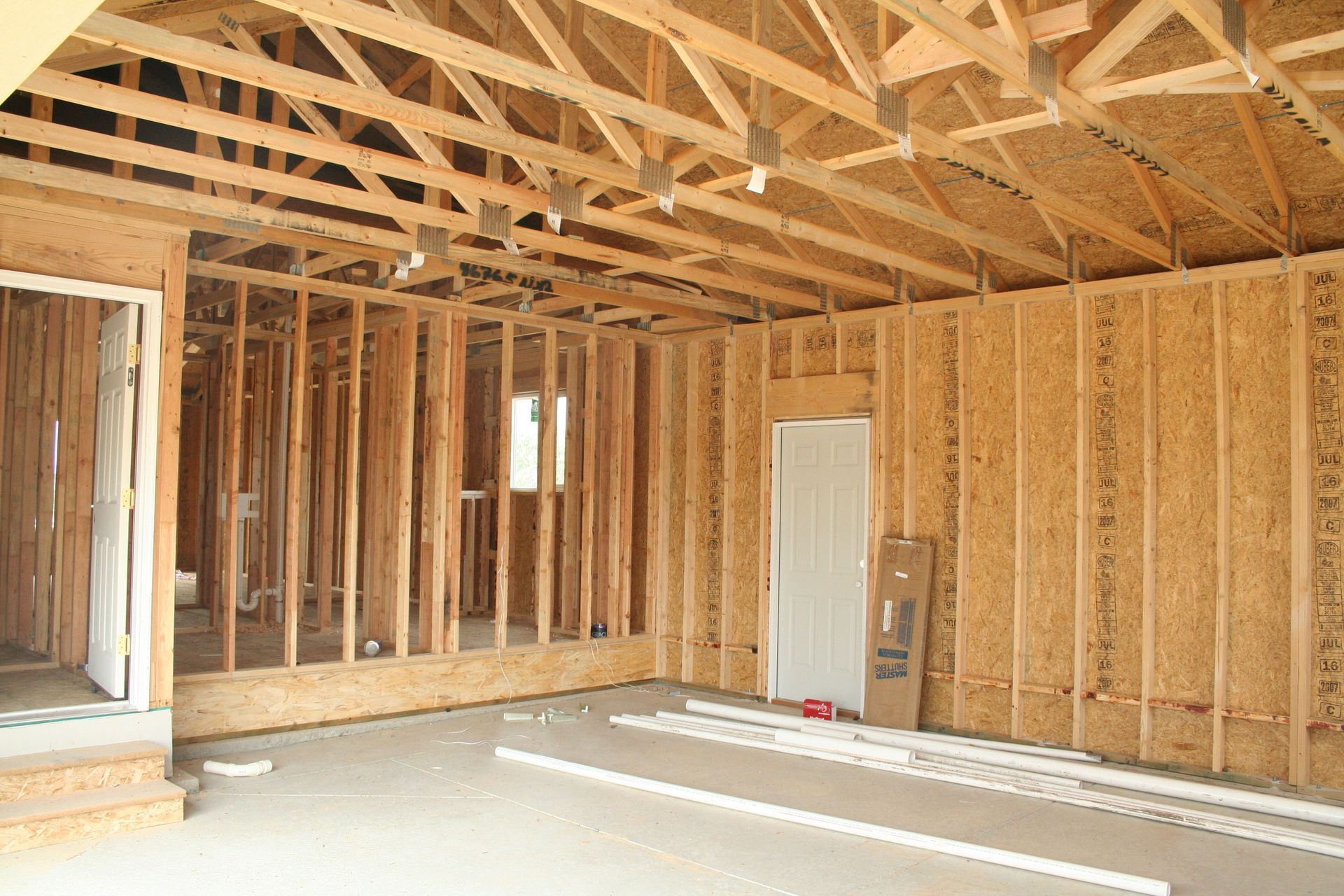
Some issues go beyond appearance and point to more serious problems. Cracks in walls, uneven floors, and doors that won’t close properly are early physical warnings that the structure of a home may be shifting. Roof leaks are another major tipping point. A single leak can slowly soak insulation, ceilings, and framing long before it’s visible. Over time, this kind of damage spreads and becomes more expensive to repair. This is often when a general contractor steps in to determine where the problem actually starts and how to permanently fix it.
Moisture problems can also lead to unhealthy indoor environments. Musty smells, peeling paint, and bubbling drywall are all signs that moisture is getting where it doesn’t belong. Renovating to repair and reinforce these areas protects both the home and the people living inside it. When structural concerns start surfacing, many homeowners feel anxious rather than motivated. Renovation doesn’t just fix physical problems — it restores peace of mind by removing those daily worries.
3. Functional Gaps That Disrupt Daily Life
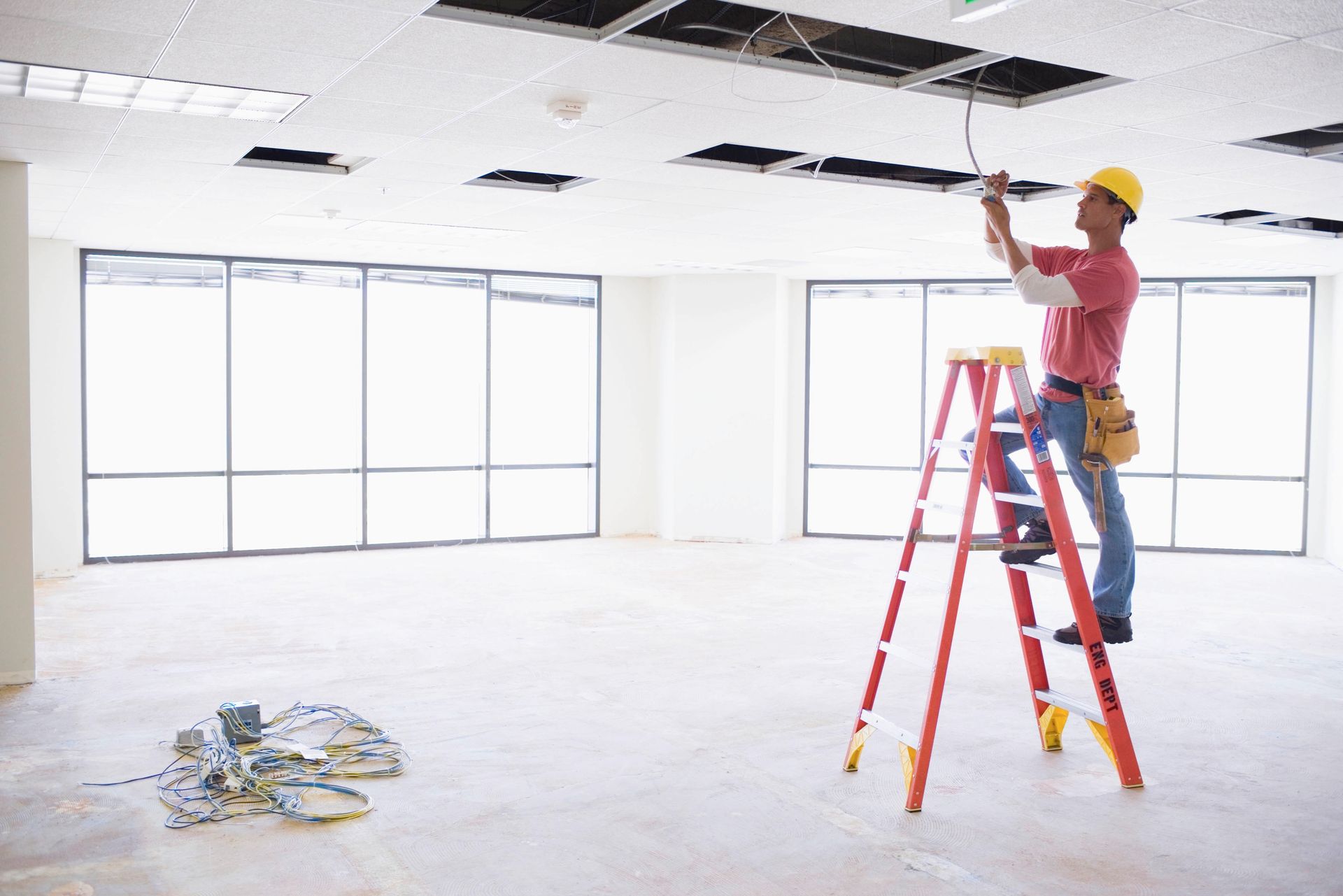
Older homes were designed for a different world. If your home feels cramped, awkward, or poorly lit, it may be time to rethink its layout. Narrow hallways, closed-off kitchens, and outdated room flow can make daily tasks feel harder than they should be. Electrical limitations tend to show up in frustrating ways. Not enough outlets, old wiring, and overloaded circuits aren’t just inconvenient — they’re unsafe. A general contractor can modernize electrical layouts in a way that blends safety, efficiency, and design.
Poor lighting can also make great spaces feel uncomfortable. Dim rooms often feel smaller and less inviting. Renovation allows better lighting placement and brighter atmospheres that dramatically change how a home feels to live in. When functionality improves, everyday routines become smoother. Simple things like cooking, relaxing, or working feel easier when your home supports your habits, not fights against them.
4. Energy Loss That Quietly Costs Money
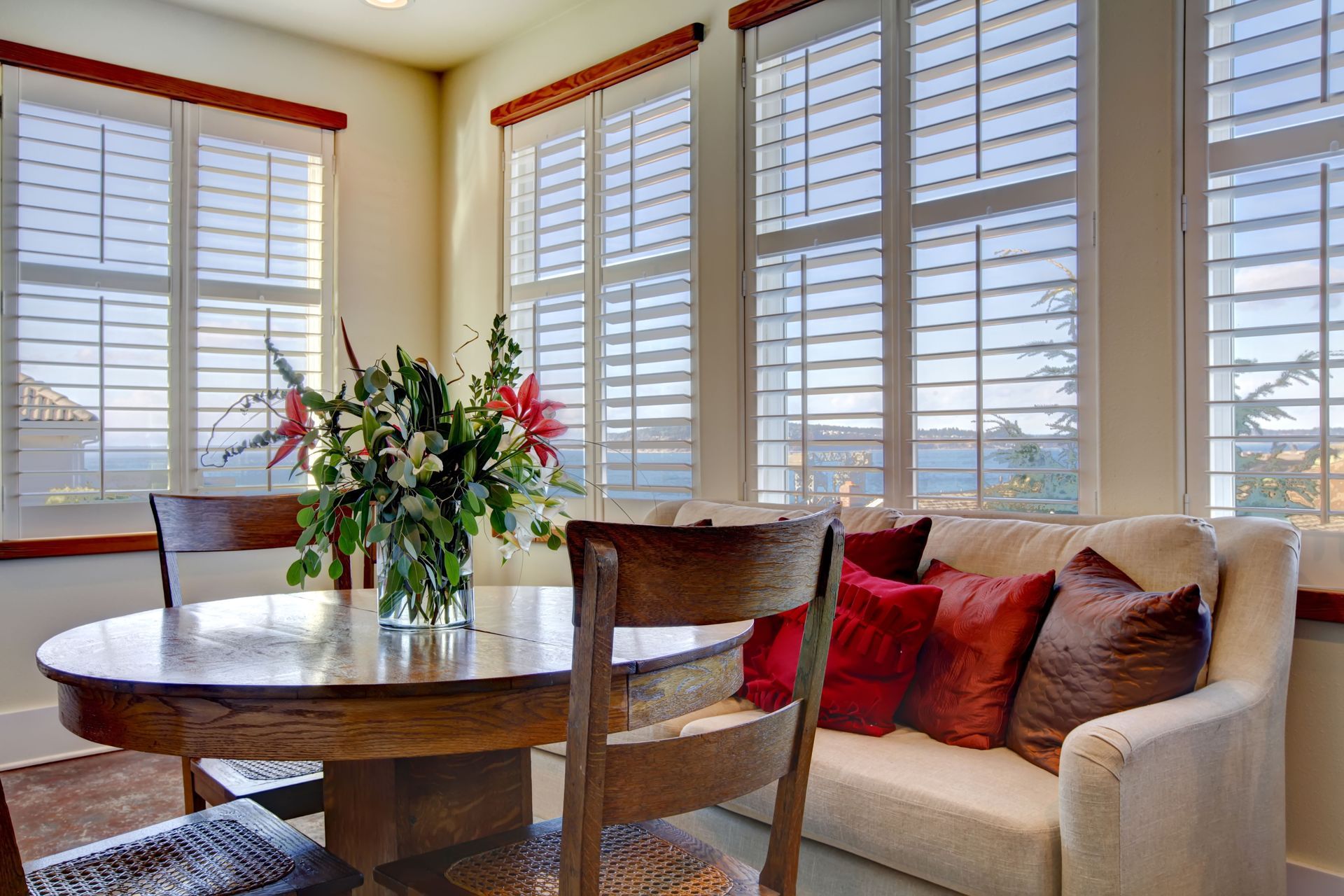
When your energy bills continue rising, your home may be losing efficiency. Older insulation allows warm air to escape in winter and cool air to leak out in summer. Renovating insulation creates immediate comfort improvements and long-term savings. Windows and doors also weaken over time. Drafts, rattling frames, and worn seals allow outdoor air to creep in. A general contractor often coordinates these upgrades so the home becomes more sealed, stable, and consistent in temperature.
Outdated appliances quietly drain energy month after month. Renovations allow homeowners to upgrade these systems so the home runs cleaner, quieter, and more efficiently. Beyond cost, energy loss affects comfort. Homes that can’t maintain steady temperatures become frustrating to live in and harder to relax inside.
5. Lifestyle Shifts That Demand Space
As life changes, homes often need to change too. A growing family puts pressure on storage, bedrooms, and shared living areas. Renovating gives homeowners control instead of forcing them to move. Remote work has also reshaped home priorities. Dedicated office spaces are no longer luxuries — they’re necessities. Renovation allows for separation between work life and personal life. According to a survey by the National Association of Realtors, 64% of homeowners who remodeled their homes in 2024 have a greater desire to be in home after the remodel. That emotional improvement is often the most valuable part of renovation. Life doesn’t stay still, and your home shouldn’t have to stay stuck in the past.
6. Financial Motivation That Builds Equity
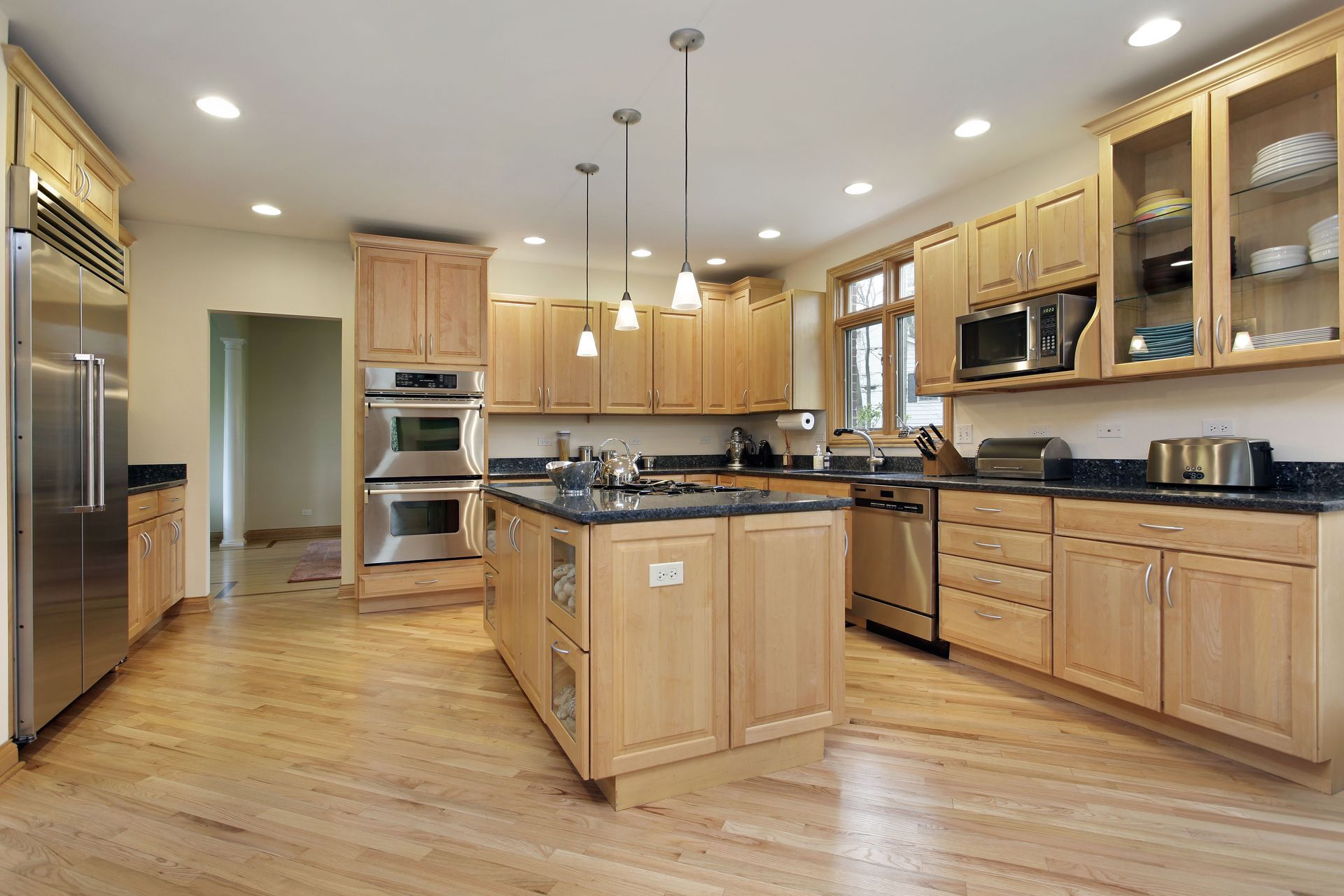
Renovation isn’t just emotional — it’s strategic. Homeowners often remodel to build long-term value. A fresh exterior, new finishes, and functional upgrades increase market appeal. Kitchen and bathroom renovations are especially powerful. A general contractor helps ensure these upgrades balance cost with return on investment so homeowners don’t overspend unnecessarily. Finished basements and converted spaces also add usable square footage, which boosts property value while improving daily life. Beyond resale, renovations protect the money you’ve already invested in your property.
7. Emotional Disconnect That Signals Change
Sometimes the biggest reason to renovate can’t be measured — it’s felt. When a home stops feeling peaceful, inspiring, or comforting, it starts to impact mood and stress. Outdated spaces, cluttered layouts, and constant small annoyances build tension over time. Renovation restores alignment between your space and your life. Many homeowners rely on a general contractor to help translate their vision into a home that feels like a true sanctuary again. When your home feels right, everything else in life tends to feel lighter.
Renovation isn’t about perfection — it’s about progress. From visual wear and structural concerns to rising energy costs and emotional disconnect, your home sends signals when it needs attention. Addressing those signals protects your investment, improves your comfort, and transforms daily life in meaningful ways.
Renovating also gives homeowners a chance to future-proof their space. Updating layouts, improving storage, and strengthening structural elements today can prevent larger problems tomorrow. A well-timed renovation reduces the need for emergency repairs and helps create a smoother, more predictable homeownership experience. It also gives families the opportunity to make their homes safer, quieter, and more enjoyable to live in as life continues to evolve. When improvements are made thoughtfully, the home becomes more than a structure — it becomes a stable foundation for daily life and long-term goals. When you’re ready to bring your home back to life, trust the professionals at Central Point Homes.
Share On: